
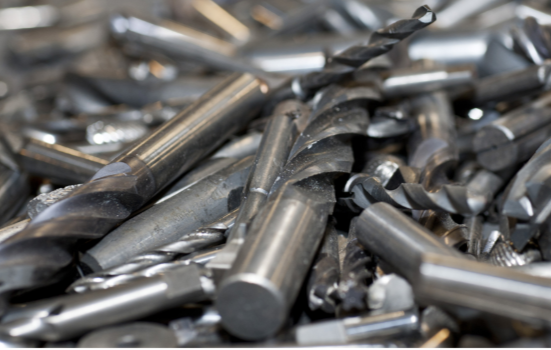
How Tungsten Carbide Enhances Durability in Industrial Applications
Durability is one of the most important requirements in modern industrial operations. Machines, tools, and components are expected to work for long hours under heavy loads, high temperatures, and harsh environments. When materials fail too quickly, it leads to downtime, higher costs, and safety risks. To overcome these challenges, industries rely on advanced materials that can deliver strength and reliability. One such material is tungsten carbide, which has become a trusted solution for improving durability across many industrial applications.
Understanding Industrial Durability Challenges
Industrial equipment often operates under extreme conditions. Cutting tools face constant friction, mining equipment handles abrasive materials, and manufacturing machines deal with repeated impact and pressure. Over time, these forces cause wear, deformation, and cracks in standard materials like steel. Even high-quality metals can lose their shape or sharpness when exposed to continuous stress. As a result, companies are always looking for materials that can last longer while maintaining performance.
The Role of Tungsten Carbide in Modern Industry
Tungsten carbide is a compound made from tungsten and carbon atoms. It is known for its exceptional hardness and strength, which are much higher than most traditional metals. This unique structure allows it to resist damage even in demanding environments. Because of these properties, tungsten carbide is widely used in industries such as manufacturing, oil and gas, mining, construction, and metalworking. Its ability to enhance durability makes it a preferred choice for critical components.
How Tungsten Carbide Improves Wear Resistance
One of the main reasons tungsten carbide enhances durability is its outstanding resistance to wear. Wear occurs when surfaces rub against each other, slowly removing material. Tungsten carbide is extremely hard, which means it does not wear down easily. Tools and parts made with this material can maintain their shape and performance for a much longer time. This is especially important for cutting tools, drilling equipment, and molds, where precision and consistency are essential.
Performance in High-Temperature and High-Pressure Environments
Industrial processes often involve high heat and pressure, which can weaken many materials. Tungsten carbide performs well under these conditions because it has a high melting point and excellent thermal stability. It does not soften or lose strength easily when exposed to heat. This makes it suitable for applications such as metal cutting, forging, and oil drilling, where equipment must handle intense temperatures and forces without failing.
Resistance to Corrosion and Chemical Damage
In addition to mechanical stress, industrial components may be exposed to chemicals, moisture, and corrosive substances. Over time, corrosion can reduce the strength and lifespan of materials. Tungsten carbide offers good resistance to corrosion and chemical wear, especially when combined with protective binders or coatings. This resistance helps components stay functional and reliable in environments such as chemical processing plants and offshore operations.
Benefits Across Different Industrial Applications
The durability of tungsten carbide brings clear benefits to many industries. In manufacturing, it allows tools to cut faster and more accurately while lasting longer. In mining and construction, it helps equipment handle abrasive materials like rock and sand without frequent replacement. In the oil and gas sector, tungsten carbide components improve the reliability of drilling tools and valves. Across all these applications, increased durability leads to better performance and fewer interruptions.
Cost Efficiency and Long-Term Value
Although tungsten carbide components may have a higher initial cost compared to standard materials, they often provide better long-term value. Their extended service life reduces the need for frequent replacements and maintenance. This lowers overall operating costs and minimizes downtime. Over time, the investment in durable materials like tungsten carbide can result in significant savings for industrial operations.
Conclusion
Tungsten carbide plays a vital role in enhancing durability in industrial applications. Its exceptional hardness, resistance to wear, ability to perform under extreme temperatures, and protection against corrosion make it an ideal material for demanding environments. By improving the lifespan and reliability of tools and components, tungsten carbide helps industries operate more efficiently and cost-effectively. As industrial demands continue to grow, the importance of durable materials like tungsten carbide will remain strong, supporting safer and more productive operations.