
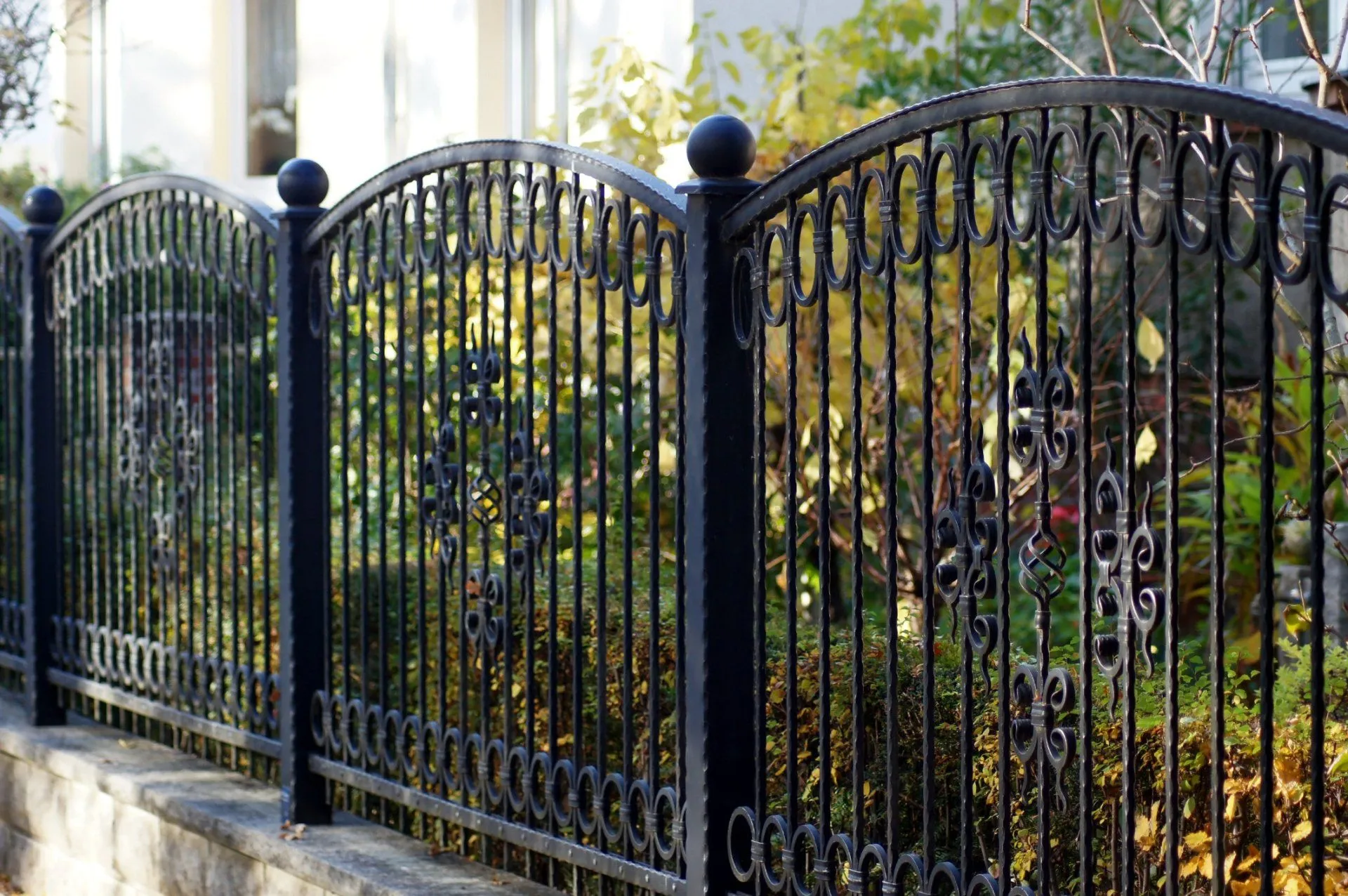
Wrought Iron or Rod Iron: What’s the Real Difference?
Fences, gates and decorative rails demand metals that balance beauty, strength and lasting value over time. Homeowners face a critical choice between rod iron and wrought iron while planning fences or gates and wonder which option serves them best.
Both stand out in terms of rust resistance and cost for projects. Wrought iron excels with superior corrosion protection and artisanal hand-forged details that age gracefully. Rod iron shines through low prices, machine precision, and widespread availability for everyday security needs.
Coastal homes opt for wrought iron for salt-air defense, while urban yards choose rod iron for quick, strong installations. Smart matches ensure barriers protect and please for decades ahead.
What Is Wrought Iron?
Wrought iron dates back centuries as nearly pure iron that blacksmiths hammered hot into shapes. Its fibrous grain gives unique strength and flexibility for fences that bend, not break. Artisans prized it for gates and rails that resist rust better than steel ever could.
Modern wrought iron remains rare yet delivers unmatched corrosion resistance through its low carbon content alone. Hand-forged details create heirloom beauty for coastal homes or historic properties that demand timeless style. Strength and elegance combine perfectly in every twisted bar and curve.
What Is Rod Iron?
Rod iron refers to mild steel bars that fabricators use to make fences, gates and railings today. Machines cut and weld it fast for strong, modern designs that fit any yard. Homeowners value its availability and power for everyday security needs everywhere.
Rod iron starts as affordable steel stock so costs stay low compared to rare pure metals. Galvanized coatings fight rust, yet regular paint keeps it sharp through weather changes. Clean lines suit new homes perfectly with quick installs that save time.
Key Differences Between Wrought Iron and Rod Iron
| Features | Wrought Iron | Rod Iron |
| Material | Nearly pure iron with fibrous grain | Mild steel with 0.2-2% carbon |
| Rust Resistance | Naturally resists corrosion for decades | Needs paint or galvanizing yearly |
| Strength | High tensile bends without breaking | High yield strength resists dents |
| Cost per foot | $25-35 (custom forged) | $8-15 (stock steel) |
| Fabrication | Hand-forged by artisans slowly | Machine-cut and welded quickly |
| Weight | Lighter for tall gates and spans | Heavier, thicker bars for security |
| Aesthetic | Textured patina ages beautifully | Smooth modern industrial look |
| Availability | Custom orders have a 3-6 months lead time | Stock lengths ship the next day |
Pros and Cons of Wrought Iron vs. Rod Iron
Both metals build strong barriers yet show clear trade-offs in price, upkeep, and style that matter most.
Wrought Iron:
Pros:
- Rust resists naturally so coastal fences last without constant painting.
- Beauty ages with patina that grows richer over decades.
- Strength handles impacts without cracking like brittle cast iron.
- Value holds for resale since the antique look impresses buyers.
Cons:
- High price hits thirty dollars per foot for custom work.
- Lead times stretch months from artisan forges worldwide.
- Heavy lifts need cranes for tall perimeter walls always.
Rod Iron:
Pros:
- Low-cost runs ten dollars per foot from stock suppliers.
- Fast builds finish gates in days, not months ever.
- Strong welds hold one-inch bars for high security needs.
- Modern look fits new homes with clean, sharp lines.
Cons:
- Rust attacks fast without yearly galvanizing or paint coats.
- Welding scars quickly dull smooth finishes over time.
- Lacking prestige, the wrought-iron heirloom appeals to buyers.
Which Material Is Best for Your Project?
Fences, gates and railings need metals that match the location’s style and budget for long-term success. Wrought iron excels in harsh weather, while rod iron wins on cost and speed every time. Let’s see which fits your needs best.
- Coastal yards: Wrought iron resists salty ocean air naturally for decades without paint or coatings.
- Budget builds: Rod iron costs half as much but matches forged strength pound for pound.
- Historic homes: Wrought iron shows an authentic wood-grain texture that blends with old architecture perfectly.
- Modern designs: Rod iron offers clean machine welds and sharp lines for contemporary appeal.
- Security gates: Rod iron uses one-inch-thick bars that bolt cutters cannot easily penetrate.
- Floral scrolls: Wrought iron bends into intricate patterns that machines fail to replicate smoothly.
- DIY projects: Rod iron provides pre-cut lengths ready for welding in home shops immediately.
- Perimeter walls: Heavy-gauge rod iron stands firm against hurricane-force wind pressure always.
How to Maintain Wrought Iron and Rod Iron in Top Condition
Regular care keeps wrought iron and rod iron looking sharp and strong for decades ahead. Simple seasonal steps prevent rust and wear so fences, gates, and railings always stay beautiful.
- Check rust spots every spring, then sand smooth and repaint with rust-inhibitor primer right away.
- Hose rod iron monthly near coasts to wash salt buildup before corrosion starts working.
- Oil hinges and latches twice yearly, so gates swing smoothly without squeaks or binds.
- Skip harsh acid cleaners that strip wrought iron’s natural patina protection layers fast.
- Touch up scratches immediately with color-matched paint to block moisture entry points.
- Trim vines and bushes away from bars so air flows freely and dampness dries quickly.
- Inspect welds yearly for hairline cracks, then call pros for reinforcement before failure.
- Wax wrought iron surfaces annually for extra water beading that slows oxidation down.
Conclusion
Fences, gates, and railings thrive when wrought iron or rod iron match project needs every time. Wrought iron serves coastal homes, historic sites, and ornate designs with rust-proof beauty that lasts. Rod Iron powers budget builds modern yards and security gates with strong, affordable steel always.
Key differences in cost, strength, and upkeep guide smart choices so homeowners can pick confidently. Maintenance keeps both shining through simple, year-round seasonal care. Match your yard to the right metal for barriers that protect and impress for decades ahead. Contact local fabricators today for custom quotes that fit perfectly.