
Why a Hoarder’s Cleaning Crew is Essential for Severe Clutter Removal?
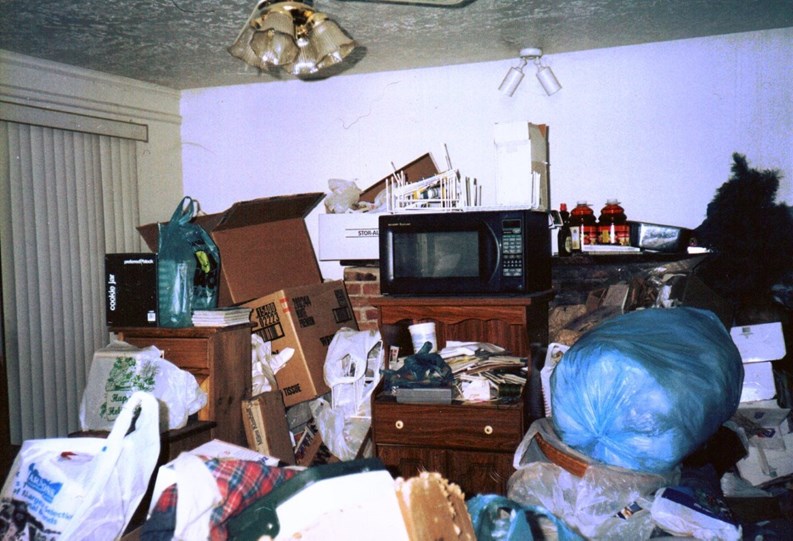
Walking into a severely hoarded home feels like stepping into another world. Piles reach the ceiling. Hallways shrink to narrow paths. The smell hits you before the sight does. Family members often try to handle it alone, thinking a few weekends and some trash bags will do the job. Then they quit by Sunday night, exhausted and heartbroken. Severe clutter goes beyond a regular cleaning problem. It is a safety problem, a health problem, and an emotional problem all stacked on top of each other. That is exactly why a hoarder’s cleaning crew matters so much.
Understanding Severe Hoarding and Clutter Risks
Severe hoarding is a mental health condition in which a person struggles to discard items, leading to clutter that takes over their living space and daily life.
When “Messy” Becomes a Severe Hoarding Scenario
A home crosses into severe hoarding when rooms can no longer serve their purpose. The stove is buried. The bathtub is full of boxes. The bed has two inches of space left. At this stage, simple cleaning will not fix things.
Hidden Dangers in Hoarded Homes
Severe clutter creates real physical risks that most people underestimate until something goes wrong. Here are the most common ones:
- Fire hazards from blocked outlets, overloaded cords, and paper piles near heat sources.
- Blocked exits that trap people during emergencies.
- Structural strain from heavy items pressing on floors and weakening beams.
- Falling piles that can crush pets, children, or elderly residents.
Health Threats Inside Hoarded Spaces
The air itself becomes unsafe. Mold spreads behind piles. Bacteria grow on rotting food and soiled items. Pests like rats, roaches, and bedbugs thrive. Dust and animal waste also pollute the air, which worsens asthma and allergies.
Why DIY Hoarder Cleanup Often Fails
Families mean well, but severe clutter usually beats them. The work is too big, too dangerous, and too emotional for a weekend project. A few reasons DIY attempts fall apart include:
- Physical demands drain even fit adults. Expect weeks of hauling, lifting, and bending.
- Safety issues pop up without warning. Think rusty nails, broken glass, mouse droppings, and unstable towers of stuff.
- Emotional conflicts explode when loved ones toss items the hoarder wanted to keep. Trust breaks fast.
- Incomplete results are common. Without a plan, clutter returns within months.
What starts as help often ends with anger, injury, and a home still full of junk.
What a Hoarders Cleaning Crew Actually Does
A hoarder’s cleaning crew is a trained team that clears, cleans, and sanitizes homes affected by hoarding disorder using safety gear, specialized tools, and compassionate methods. Their main duties usually cover:
- A full walk-through, clutter rating, and photo documentation.
- Sorting every item into keep, donate, recycle, or dispose of, with the client’s consent.
- Heavy hauling using dumpsters, trucks, and proper equipment.
- Deep cleaning, sanitizing, and odor removal once the home is clear.
Key Reasons a Hoarder’s Cleaning Crew Is Essential
Hiring a professional crew changes the outcome of a severe clutter case in ways a regular cleaning service simply can’t match. The real value shows up in safety, emotional care, speed, and what gets saved along the way. Here’s what sets them apart.
Safety and Risk Mitigation
Regular cleaners walk away from biohazards. Hoarding crews walk toward them. They spot fire risks, fall risks, and structural damage right away. This means they use PPE, HEPA filtration, and biohazard protocols to protect everyone inside.
Expertise with Hoarding Disorder
Crews are trained to treat the person and the pile. They move slowly, ask before discarding, and never shame the client. A calm, step-by-step approach lowers panic and keeps the work moving.
Faster, More Thorough Results
What a family fights for six months, a trained crew finishes in three to five days. Room-by-room workflows ensure no closet, drawer, or corner is skipped.
Protection of Sentimental Items and Documents
Professional sorters look for wedding photos, birth certificates, cash, jewelry, and legal papers before anything leaves the home. This saves memories and prevents costly losses.
When You Must Call a Hoarder’s Cleaning Crew
Some situations are clear red flags that professional help is no longer optional. Call immediately if you notice any of these:
- Kitchens, bathrooms, or bedrooms that cannot be used.
- Animal remains, human waste, strong odors, or visible mold.
- Landlord notices, eviction threats, or code violation letters.
The Step-by-Step Process (Brief Overview)
Most reputable crews follow a simple, structured path from first call to final clean. The three main stages look like this:
- Consultation, walk-through, and a custom cleanup plan.
- Clutter removal and legal disposal following local rules.
- Deep cleaning, basic repairs, and a plan for long-term support.
Choosing the Right Hoarders Cleaning Crew
Not every company is equipped for severe hoarding work, so pick carefully. Here is what to look for:
- Biohazard licensing and IICRC or OSHA training.
- A consent-based, non-judgmental communication style.
- Clear pricing, realistic timelines, and a written scope for severe projects.
Supporting a Loved One Before and After Cleanup
Talk gently. Say, “I want you safe,” instead of “Your house is disgusting.” Bring in a therapist who understands hoarding disorder, along with a professional organizer for maintenance. Weekly check-ins and small routines keep the home livable for the long haul.
Takeaway
Severe clutter is never a simple cleaning job. It’s a safety, health, and emotional rescue mission. A trained hoarders cleaning crew brings the muscle, the method, and the heart needed to turn a dangerous home back into a livable one. That blend of care and skill is exactly what LifeCycle Transitions is all about. The certified team walks into the hardest rooms with kindness, treats every belonging with respect, and handles biohazards, heavy hauling, and deep cleaning from start to finish.
If your family is facing a severely cluttered home, reach out to LifeCycle Transitions for a private, pressure-free consultation, and let’s take the first real step toward a safer, lighter space together.