
Sump Pump Maintenance Tips Before Heavy Rain Seasons
A sump pump is most important during the exact weather that makes repairs difficult. Sump pump maintenance before heavy rain gives you a chance to test operation, clear debris, inspect the discharge path, and uncover power problems while the basement is still dry.
A short inspection can reveal issues that aren’t obvious when the pump sits unused for long periods.
Clear the Pit and Inspect the Pump
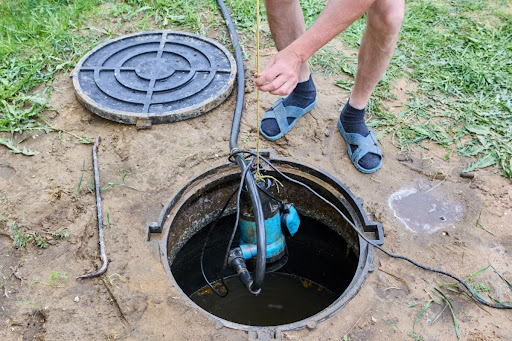
Disconnect electrical power before reaching into the sump pit or handling the pump. Remove loose debris that could interfere with the intake or float mechanism.
Look for obvious damage, unusual corrosion, or anything that could stop the float from moving. Seasonal checklists organized with other property care resources can make this inspection easier to remember before local storm periods begin.
Test Whether the Pump Starts Normally
Once the area is clear and the pump is safely reconnected, follow the manufacturer’s recommended testing method. Many systems can be checked by adding water to the pit and observing whether the float activates the pump.
Watch the Full Pumping Cycle
Don’t stop the test the moment the motor starts. Watch whether water is actually removed and whether the pump shuts off correctly afterward.
A motor that runs without lowering the water level may indicate an intake, discharge, valve, or pump problem. Repeated cycling may also deserve investigation.
Inspect the Discharge Route
The discharge pipe has to carry water away efficiently. Check visible sections for leaks, loose fittings, damage, or conditions that could restrict flow.
General home project reading can inspire plenty of seasonal tasks, but sump-pump preparation should prioritize the complete drainage route rather than the pump motor alone.
| Check | Healthy Sign | Warning Sign |
|---|---|---|
| Float | Moves freely | Sticks or catches |
| Pump | Starts promptly | Hums without pumping |
| Discharge | Strong water flow | Weak or leaking flow |
| Pit | Mostly clear | Heavy debris |
Prepare for Power Interruptions
Heavy storms can cause the sump pump to work harder while also increasing the possibility of an electrical outage. That combination is why backup planning matters.
If your system has a battery backup, inspect and test it according to its manufacturer’s instructions. Don’t assume a battery is ready simply because no warning light appears.
Keeping equipment manuals together with broader house maintenance inspiration can also make it easier to identify the correct battery, alarm, or backup procedure when maintenance is due.
Mistakes That Leave Sump Pumps Unprepared
Testing only whether the motor makes noise is a common mistake. A running motor doesn’t guarantee that water is moving through the discharge line.
Another weak approach is waiting until rain is already entering the property before checking the system. At that point, clogged piping, a stuck float, or a failed backup becomes much harder to address. Seasonal preparation should happen while access is easy and conditions are dry.
Frequently Asked Questions
How often should I test my sump pump?
Periodic testing is useful, with extra attention before expected wet seasons or prolonged storms. Pumps that operate frequently may justify more regular inspection than systems that rarely activate.
Why does my sump pump run but not remove water?
Possible causes include intake blockage, discharge restrictions, valve problems, air-related issues, or pump failure. Turn the system off safely before inspecting accessible components.
Does every sump pump need a battery backup?
Not every installation is identical, but backup power can be valuable where power outages and water intrusion may occur together. The appropriate backup setup depends on the property and pump system.
Test the System Before the Forecast Turns Bad
The right time to discover a sump-pump problem is before water starts rising. Keep the pit clear, confirm the float and pump operate correctly, inspect the discharge route, and check any backup system. If the pump behaves unpredictably or electrical work is required, arrange qualified service while you still have time to prepare.