
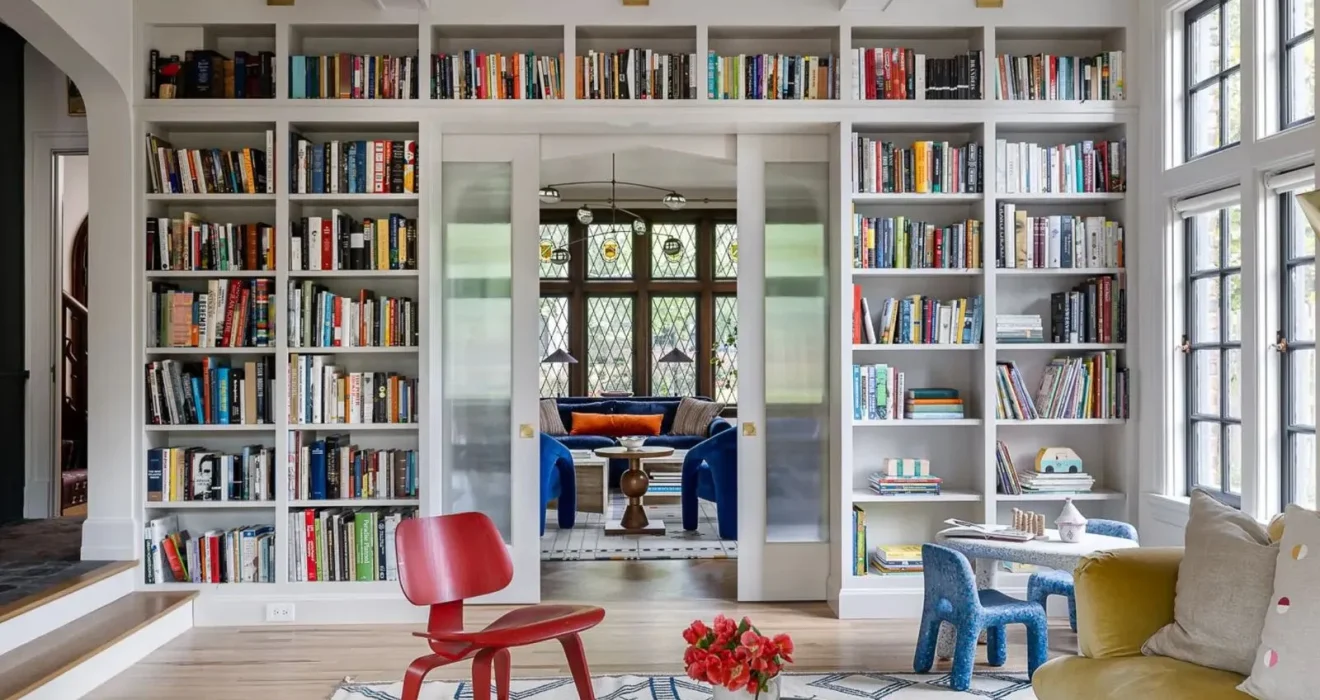
Wall Recess Ideas for Decorative Storage in Tight Spaces
Small rooms don’t always have enough floor area for cabinets or projecting shelves. Wall recess ideas solve part of that problem by borrowing depth from the wall and creating storage that stays largely within the room’s existing footprint. Used carefully, a niche can hold books, toiletries, artwork, or everyday objects without making circulation feel tighter.
Choose Locations Where Recesses Earn Their Space
Bathrooms are a familiar example because recessed shower niches keep bottles off floors and ledges. The same principle can work in hallways, kitchens, bedrooms, and living rooms.
A recess beside a fireplace can hold a small stack of books or decorative objects without introducing another piece of furniture. Looking through fireplace style references can help illustrate how niches and focal walls may be balanced around a central architectural feature.
Before cutting into any wall, construction conditions matter. Plumbing, wiring, structural members, insulation, and fire-rated assemblies can limit where recesses are practical.
Give Shallow Niches a Clear Purpose
Depth is limited inside most standard walls, so small niches work best when they are designed for specific objects. Trying to turn every recess into general storage usually produces awkward dimensions.
A narrow hallway niche might hold keys and small artwork. A bathroom recess can accommodate toiletries, while a bedroom niche beside the bed can replace a projecting nightstand for a few essentials.
Some interior detailing resources show how repeated trim lines or material changes help a niche look intentional. Even a simple recess becomes more convincing when its proportions align with nearby doors, tiles, furniture, or wall panels.
| Recess Location | Useful Function | Design Concern |
|---|---|---|
| Shower wall | Toiletry storage | Waterproofing |
| Hallway | Keys and display | Limited depth |
| Bedside wall | Small essentials | Reach and height |
| Living room | Books or objects | Visual balance |
Turn the Back Surface Into a Design Detail
The rear wall of a recess offers a small opportunity for contrast. Tile, timber, wallpaper, stone-look material, or a slightly deeper paint tone can give the opening more presence.
That doesn’t mean every niche needs contrast. In a minimalist room, painting the inside exactly like the surrounding wall may produce a calmer effect.
Architectural depth is also common on building exteriors, and exterior architecture notes offer another way to study the relationship between shadow, recess, and surface. The scale changes indoors, but the visual principle remains useful.
Add Lighting Only Where It Serves Something
Tiny recessed lights or concealed LED strips can make display niches attractive at night. They work best when highlighting a meaningful object, textured material, or collection.
Lighting every recess can quickly become excessive. It also adds wiring, transformers, access requirements, and potential maintenance points.
In bathrooms, electrical components must suit the installation area and applicable safety requirements. For complicated locations, a qualified installer should determine the proper setup.
Where Recessed Storage Can Fail
A recess isn’t automatically space-saving if creating it requires building a thicker false wall. Sometimes a slim surface-mounted shelf consumes less usable space overall.
Another common error is making the opening too small for its intended contents. A beautiful niche becomes frustrating when bottles barely fit or books must be tilted to remove them.
Structural walls shouldn’t be altered casually. If the planned opening affects framing, services, waterproofing, or fire protection, the construction requirements matter more than the decorative concept.
Frequently Asked Questions
Can wall recesses be added to existing rooms?
Often, yes, but suitability depends on what is inside the wall. Existing framing, wiring, plumbing, insulation, and structural conditions should be checked before any opening is created.
Are recessed shelves good for narrow hallways?
They can be useful because most of their depth sits within the wall instead of projecting into the walkway. Keep the contents simple so the recess doesn’t become visual clutter.
Do wall niches need built-in lighting?
No. Lighting is optional and works best for display-focused niches. Storage recesses often look cleaner and require less maintenance when they rely on the room’s normal lighting.
Design the Opening Around the Object
Start by deciding exactly what the recess needs to hold, then work backward into dimensions, position, and finish. That simple order prevents decorative niches from becoming impractical holes in the wall. In tight spaces, a modest recess with a clear job is often more useful than a larger feature with no defined purpose.