
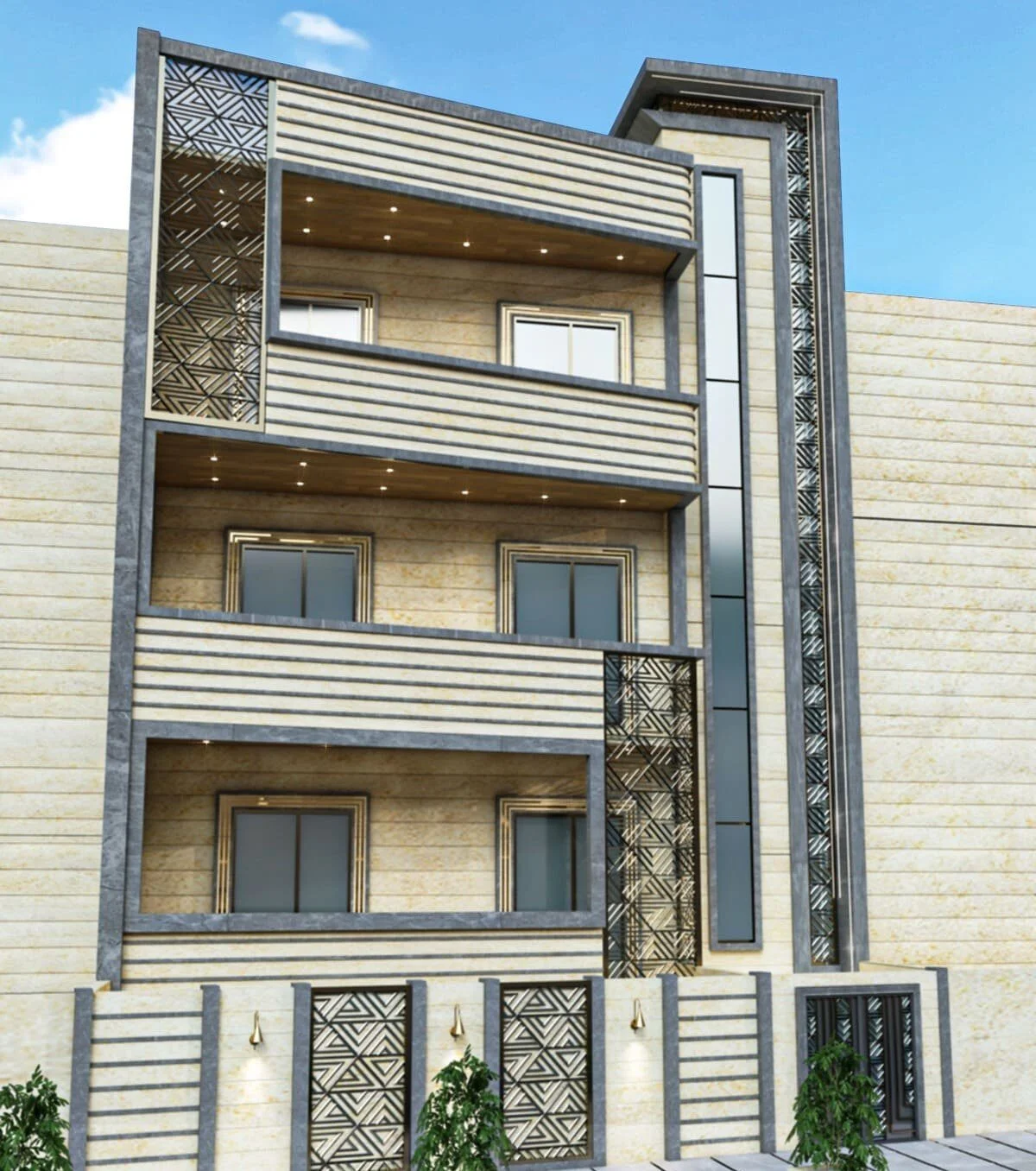
Innovative Residential Design Trends Transforming Homes in 2026
Why Residential Design Matters in Modern Homes
Residential design is far more than aesthetics it is a reflection of lifestyle, functionality, and personal expression. In 2026, homeowners are increasingly prioritizing spaces that balance style, sustainability, and comfort. Thoughtful residential design can transform ordinary houses into environments that inspire creativity, promote well-being, and enhance property value. By integrating natural light, ergonomic layouts, and personalized decor, homes become not just living spaces but sanctuaries that cater to both everyday routines and long-term lifestyle goals.
Modern residential design emphasizes long-term usability. As living patterns evolve—whether accommodating work-from-home setups, multi-generational families, or shifting hobbies spaces must be flexible and adaptable. A well-designed home feels cohesive, purposeful, and timeless, seamlessly supporting both daily activities and long-term living plans. In 2026, this blend of aesthetics, functionality, and adaptability has become a defining feature of contemporary residential design.
Key Principles of Effective Residential Design
Understanding the core principles of residential design is essential for homeowners who wish to create spaces that are both beautiful and practical. These principles guide decisions from floor plans to material selection, ensuring that every aspect of a home enhances the living experience.
- Functionality Comes First
A well-designed home prioritizes usability. Floor plans should optimize movement, accessibility, and convenience. Key strategies include:
- Open layouts: Encourage family interaction and social gatherings while maintaining a sense of spaciousness.
- Dedicated zones: Separate areas for work, relaxation, and hobbies help maintain organization and balance in daily routines.
- Smart storage solutions: Built-in cabinets, shelving, and modular units reduce clutter and maintain clean, functional spaces.
- Emphasis on Natural Elements
Incorporating nature into residential design contributes to both physical and mental well-being. Techniques include:
- Large windows: Maximizing natural lighting creates brighter, healthier living spaces while reducing energy usage.
- Indoor plants: Plants not only improve air quality but also add visual appeal and a sense of calm.
- Sustainable materials: Using reclaimed wood, bamboo, or eco-friendly finishes ensures durability while supporting environmental responsibility.
- Personalized Aesthetic
Homes should reflect the individual preferences of their occupants while maintaining harmony throughout the design. Strategies include:
- Color palettes: Selecting colors that evoke desired moods, from calming neutrals to bold accent tones.
- Blend of trends and timeless features: Integrating modern elements with classic design ensures a home remains stylish for years to come.
- Incorporating art and personal collections: Thoughtful display of meaningful items adds character and individuality to the space.
Emerging Residential Design Trends in 2026
Keeping up with residential design trends ensures that homes are not only functional but also visually appealing and forward-thinking. Here are some of the top trends shaping homes in 2026:
- Sustainable and Eco-Friendly Design
Sustainability has become central to residential design. Eco-conscious decisions reduce environmental impact while promoting long-term cost savings. Techniques include:
- Solar panels and energy-efficient appliances: Reduce electricity bills and reliance on nonrenewable resources.
- Low-VOC paints and natural insulation: Promote healthier indoor air quality and environmental sustainability.
- Rainwater harvesting systems and smart irrigation: Efficiently manage water usage while supporting green landscapes.
- Smart Home Integration
Advances in technology continue to redefine how homes function, offering convenience, security, and energy efficiency. Key features include:
- Automated lighting and temperature control: Adjust settings for comfort and energy savings.
- Voice-activated devices: Provide seamless control over entertainment, climate, and lighting systems.
- Intelligent security systems: Monitor homes remotely, enhancing safety and peace of mind.
- Multifunctional Spaces
With remote work becoming a permanent reality for many, homes must accommodate flexible lifestyles. Examples of multifunctional spaces include:
- Home offices doubling as guest rooms: Maximize usage without compromising comfort or aesthetics.
- Living spaces with movable partitions: Enable privacy or open-plan layouts depending on needs.
- Convertible furniture: Especially valuable in small spaces, allowing one area to serve multiple purposes.
- Biophilic Design Elements
Biophilic design emphasizes connection to nature, improving overall well-being. Techniques include:
- Indoor gardens or green walls: Bring the outdoors inside while enhancing aesthetics.
- Natural light maximization: Sunlit spaces enhance mood and reduce reliance on artificial lighting.
- Water features: Create calming ambiance through sound and visual appeal.
Top Residential Design Tips for Homeowners
Implementing professional strategies can elevate the quality and functionality of residential spaces. Homeowners can consider these actionable tips:
- Plan Before Purchasing: Creating a layout plan before buying furniture or decor ensures each item complements the space effectively.
- Mix Textures and Materials: Blending wood, metal, glass, and textiles adds depth and character to interiors.
- Prioritize Lighting: Layered lighting—from ambient to task—enhances both style and usability.
- Incorporate Flexible Storage: Modular and built-in solutions help maintain organization without disrupting design flow.
- Focus on Focal Points: Highlighting elements like a fireplace or a statement wall anchors the room visually and adds personality.
Common Residential Design Mistakes to Avoid
Even minor missteps can disrupt design harmony. Homeowners should avoid:
- Overcrowding spaces with oversized furniture.
- Ignoring natural light sources, which can make spaces feel dark or cramped.
- Following trends blindly instead of reflecting personal style.
- Skipping ergonomics in workspaces and kitchens, leading to discomfort.
- Neglecting the balance of color, texture, and proportion throughout the home.
The Role of Color and Materials in Residential Design
Color and material choices shape both the mood and functionality of a home:
- Color Strategies: Neutral tones create timeless elegance, bold accents inject personality, and cohesive palettes unify open spaces.
- Material Choices: Wood provides warmth and texture; stone conveys durability and luxury; glass enhances transparency and natural lighting. Eco-friendly fabrics and finishes further support sustainability and long-term appeal.
Enhancing Value Through Residential Design
Thoughtful design decisions can significantly increase property value while making a home more attractive to potential buyers. Effective strategies include:
- Upgrading kitchens and bathrooms: Functional yet stylish fixtures enhance everyday living and resale potential.
- Energy-efficient systems and smart home features: Reduce costs while appealing to modern buyers.
- Consistent design language: Maintaining harmony throughout the home ensures a polished, professional look.
- Durable, low-maintenance materials: Reduce long-term upkeep while maintaining aesthetic appeal.
How Technology is Shaping Residential Design
The integration of technology in residential design continues to grow, offering tools for both convenience and creativity:
- Augmented reality (AR) tools: Allow homeowners to visualize layouts and design elements before implementation.
- AI-driven interior design recommendations: Tailor solutions to personal preferences, lifestyle needs, and functional requirements.
- Smart appliances: Adjust automatically to usage patterns, enhancing efficiency and convenience.
Benefits of Professional Residential Design Consultation
Engaging a professional designer can streamline the design process and enhance outcomes:
- Optimized space planning: Professional guidance ensures furniture and decor placement maximizes both style and functionality.
- Access to the latest trends and materials: Designers provide insights into innovative solutions and high-quality finishes.
- Budget-conscious solutions: Experts tailor recommendations to align with financial constraints without sacrificing design quality.
- Increased property value: Professional design can enhance appeal and marketability, making homes more attractive to buyers.
Actionable Steps for Homeowners to Improve Residential Design
Homeowners can gradually implement improvements, whether through small updates or larger renovations:
- Assess Current Space: Identify areas that feel cramped, underutilized, or outdated.
- Set Design Goals: Define aesthetic, functional, and sustainability objectives to guide decisions.
- Experiment Virtually: Use design apps to test layouts, colors, and materials before committing to changes.
- Incorporate Nature: Add plants, maximize natural light, and select sustainable materials for health and beauty.
- Update Fixtures and Textiles: Refresh spaces by replacing outdated lighting, rugs, or curtains.
Transforming Homes with Residential Design
Residential design in 2026 emphasizes a balance between innovation, functionality, and personal expression. From sustainable materials to smart home integration and biophilic elements, modern design transforms ordinary spaces into harmonious, inspiring environments. By prioritizing functionality, embracing trends selectively, and leveraging professional insights from Versa Design, homeowners can achieve remarkable results that enhance both daily living and long-term property value. Thoughtful design enriches everyday experiences while ensuring homes remain adaptable for evolving needs. By integrating the principles, trends, and actionable tips outlined here, homeowners can create spaces that are not only stylish and functional but also sustainable and future-ready. Staying informed about evolving residential design trends ensures homes remain relevant, comfortable, and aesthetically appealing for years to come.