
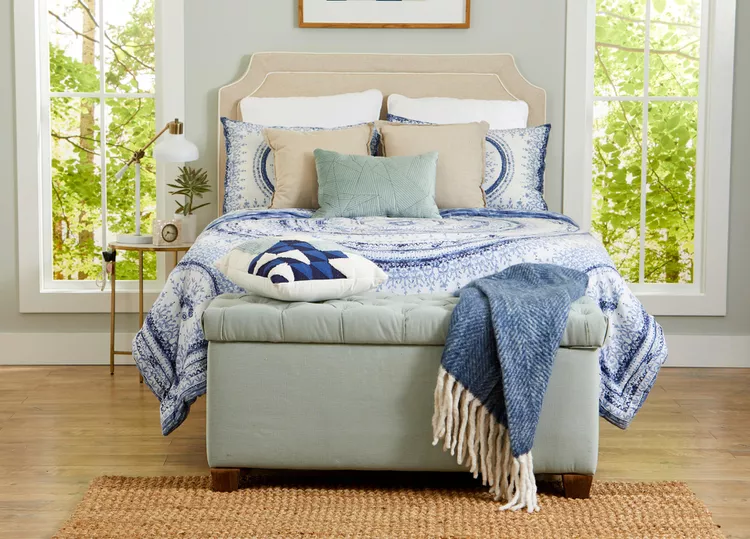
Lift Up Storage Ideas for Benches Beds and Built-In Seating
Furniture can provide far more storage when the seat or platform above it opens. Lift up storage ideas are especially useful for benches, beds, window seats, and built-in seating because they use large hidden cavities without adding another cabinet to the room. Success depends on easy lifting, safe support, and sensible organization inside.
Use Large Cavities for Bulky Items
Lift-up benches and beds are ideal for objects that consume considerable space but aren’t needed every hour. Spare bedding, seasonal textiles, board games, sports equipment, and extra cushions are common examples.
Before filling the compartment, consider whether the contents can be removed comfortably. Browsing home storage concepts can help you think beyond capacity and focus on how the storage will work during normal routines.
Divide Deep Compartments
One enormous cavity quickly becomes messy. Shallow bins, fabric boxes, or internal dividers prevent smaller objects from sinking beneath larger ones.
Containers with handles are useful because they can be lifted straight out without unloading everything above them.
Choose the Right Opening Direction
A window seat usually works well with a lid hinged along the back. Beds may use mechanisms that lift from the foot or from one side depending on room clearance.
Nearby walls, nightstands, windows, and other furniture can affect which direction works best. Flexible room planning can offer broader ideas for fitting storage furniture into compact layouts without blocking circulation.
| Furniture Type | Useful Storage | Main Consideration |
|---|---|---|
| Storage bed | Bedding, luggage | Lifting weight |
| Window bench | Blankets, games | Lid clearance |
| Dining bench | Table linens | Frequent access |
| Entry bench | Seasonal gear | Dirt and ventilation |
Make the Lid Easy to Control
Large upholstered panels can be heavier than expected. Hinges or lift-assist hardware should match the lid’s weight and size so it doesn’t drop unexpectedly or require excessive force.
Finger clearance matters too. Handles, recessed pulls, or carefully designed gaps can make opening easier without creating an obvious hardware-heavy appearance.
Design references focused on comfortable living spaces can also inspire storage that visually blends into seating rather than looking like a separate container.
Match Storage Frequency to Accessibility
A lift-up bed can hold a surprising amount, but opening it every morning for one small item becomes annoying. Store frequently needed belongings near the easiest edge or in separate drawers.
Use Soft Containers for Textiles
Fabric bags and flexible bins work particularly well for blankets and bedding. They conform to awkward compartment shapes and protect clean textiles from direct contact with unfinished interior surfaces.
Hard bins are better where objects need stacking or protection from pressure.
Common Problems With Lift-Up Storage
Depth can become a disadvantage when everything is piled together. Heavy boxes at the bottom make retrieving small items unnecessarily difficult, while loose belongings can shift into hinge or mechanism areas.
Another problem is ignoring the extra weight placed on the lifting system. Mattresses, upholstery, thick wooden panels, and stored objects can all affect operation. Hardware should be selected and installed according to its intended load rather than chosen only for appearance.
Frequently Asked Questions
What can you store inside a lift-up bed?
Spare bedding, seasonal clothing, luggage, blankets, and infrequently used household items are common choices. Keep frequently needed small objects somewhere easier to access.
How do you organize a deep storage bench?
Use several removable bins instead of one large pile. Group similar items together and place the most frequently used containers closest to the opening edge.
Are lift-up seats practical for dining benches?
Yes, particularly for tablecloths, placemats, serving accessories, and seasonal dining items. Make sure the top can open without hitting the table or nearby wall.
Turn Furniture Into Useful Hidden Storage
The strongest lift-up storage designs combine capacity with easy access. Divide large compartments, choose an opening direction that suits the room, and use lifting hardware appropriate for the panel above it. Done well, a bed or bench can quietly absorb bulky household items while the room itself remains open and uncluttered.