
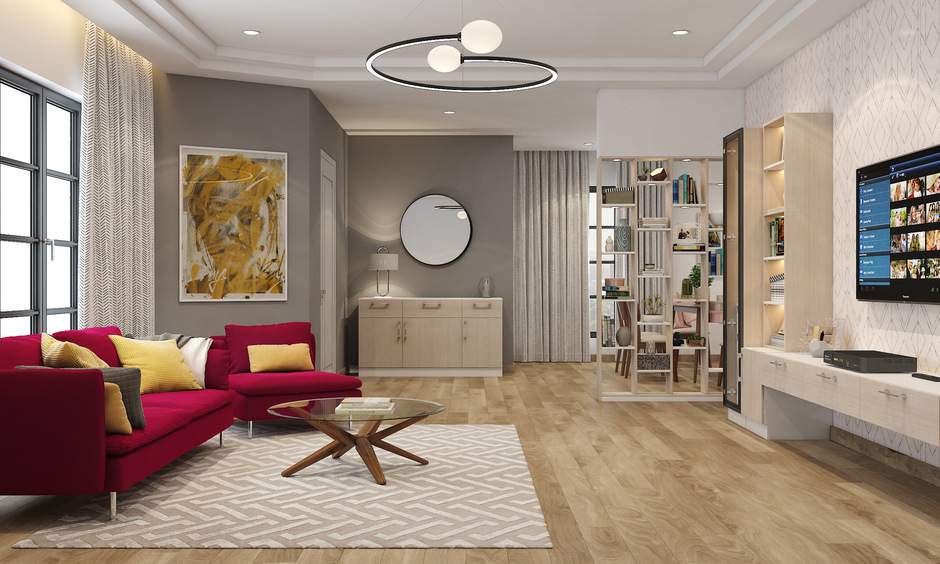
Parquet Floor Ideas for Decorative Wood Patterns With Warmth
Parquet flooring turns ordinary wood boards into an architectural feature through repetition and geometry. Instead of running every plank in one direction, smaller pieces form blocks, angles, diamonds, or other arrangements that bring rhythm to the floor.
It can feel historic, contemporary, or somewhere between the two. The final effect depends on pattern scale, wood tone, finish, and how much visual competition surrounds it.
Choose a Parquet Pattern That Fits the Room
Herringbone and chevron are well-known options, but parquet can also use brick layouts, square basket patterns, diagonal blocks, and more elaborate geometric arrangements.
Simple layouts usually suit busy living spaces because furniture will cover part of the floor. More intricate patterns can shine in open entries or dining rooms. Looking through architectural home inspiration can help connect flooring geometry with nearby doors, outdoor transitions, and structural details.
Match Scale to Viewing Distance
Tiny pieces create richness when seen closely but can look dense across a large room. Wider blocks often read more clearly from several feet away.
A useful test is to arrange a sample over several square feet instead of judging one small board.
Explore Light and Natural Wood Tones
Pale oak and other natural finishes can keep detailed parquet from feeling formal. They show enough grain to add warmth while allowing the pattern itself to remain the main decorative element.
Medium brown flooring creates a more traditional impression, while deep finishes can look dramatic in rooms with generous natural light. Comparing warm interior concepts can help coordinate the floor with wall colors, textiles, cabinets, and larger furniture pieces.
| Parquet Choice | Overall Character | Best Setting |
|---|---|---|
| Light herringbone | Relaxed and airy | Living spaces |
| Medium block pattern | Traditional warmth | Dining rooms |
| Dark chevron | Dramatic and formal | Large rooms |
| Natural matte finish | Understated | Contemporary homes |
Let Parquet Define Open-Plan Zones
Patterned flooring can quietly separate functions without adding walls. A parquet field beneath a dining area, for example, can distinguish it from adjacent straight-laid flooring while keeping the entire room visually connected.
This idea also works in entries, reading corners, and kitchen zones. References for comfortable room arrangements can help ensure the decorative floor supports furniture placement rather than fighting against it.
Create a Perimeter Frame
A straight-board border around parquet can make the pattern feel more architectural. It also creates a cleaner visual relationship with walls and thresholds.
This approach is useful in irregular rooms because the border absorbs some of the awkward edge conditions.
Pair Decorative Floors With Simple Furniture
Detailed flooring already supplies plenty of movement. Furniture with cleaner shapes allows the parquet to remain visible and prevents the room from becoming overloaded.
Large rugs should be chosen carefully. A rug that covers nearly every patterned area defeats much of the reason for installing parquet, while a smaller rug can define seating and still leave enough floor exposed to appreciate the design.
Where Parquet Planning Often Breaks Down
A beautiful pattern can still look awkward if it begins from the wrong point. Misaligned center lines may create noticeably narrow cuts along one side of the room or cause major geometric elements to miss important architectural features.
Color variation is another issue. Natural wood pieces can differ substantially. Mixing boards from several packages before installation helps distribute those differences rather than creating accidental light and dark patches.
Frequently Asked Questions
Is parquet flooring suitable for small rooms?
Yes. Simple patterns and lighter finishes can work particularly well. Avoiding extremely small pieces or excessive contrast usually prevents the floor from looking crowded.
Does parquet require more maintenance than regular wood flooring?
Routine care is generally similar to other comparable wood floors. The specific maintenance requirements depend more on the wood species, finish system, installation method, and manufacturer guidance than on the decorative pattern itself.
Can parquet be combined with straight plank flooring?
Yes. A border, doorway, or natural room transition can separate the two layouts. Repeating the same wood tone can help different laying patterns feel connected rather than accidental.
Plan the Geometry Before the Finish
Parquet has enough visual personality that the layout deserves attention before stain color, furniture, or rugs are selected. Establish the room’s main sightlines and decide where the pattern should appear centered.
Once those proportions work, choose a finish that supports rather than hides the wood. Good parquet feels warm first and decorative second.