
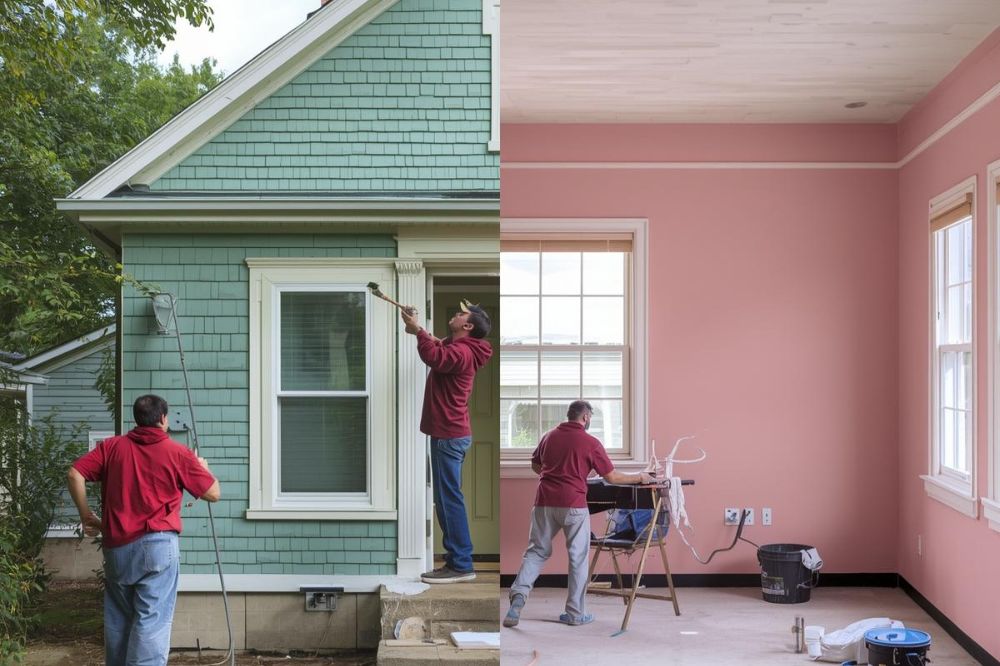
Interior vs. Exterior Painting: What Every Homeowner Should Know
Painting is one of the simplest and most effective ways to improve the appearance and value of a home. Whether you’re updating your living room or refreshing your home’s exterior, a quality paint job can dramatically transform your property. However, many homeowners assume that interior and exterior painting are essentially the same project. In reality, they involve different materials, preparation methods, application techniques, and maintenance requirements.
Understanding the differences between interior and exterior painting helps homeowners make informed decisions, choose the right products, and achieve longer-lasting results. While both projects improve the beauty of your home, each serves a unique purpose and requires a different approach.
In this guide, we’ll explain the key differences between interior and exterior painting and what every homeowner should know before starting a project.
The Purpose of Interior Painting
Interior painting focuses primarily on enhancing the appearance, comfort, and functionality of indoor living spaces.
Fresh paint can brighten rooms, update outdated colors, hide imperfections, and create a welcoming atmosphere. It also protects walls from everyday wear, stains, moisture, and minor damage caused by daily activities.
Beyond aesthetics, interior painting contributes to maintaining clean, durable surfaces throughout your home.
The Purpose of Exterior Painting
Exterior painting does much more than improve curb appeal.
It acts as a protective barrier against rain, snow, sunlight, humidity, temperature fluctuations, and other environmental factors. Without quality exterior paint, siding, trim, doors, and other surfaces become vulnerable to moisture damage, fading, wood rot, and premature deterioration.
Exterior painting is an important part of long-term home maintenance.
Different Paint Formulas
One of the biggest differences between interior and exterior painting is the type of paint used.
Interior paints are formulated to resist stains, allow easy cleaning, and produce minimal odors inside the home. They are designed to provide attractive finishes while standing up to daily household use.
Exterior paints contain additives that improve resistance to ultraviolet rays, moisture, mildew, and changing weather conditions. These specialized ingredients help paint remain flexible and durable despite constant exposure to outdoor elements.
Using the wrong type of paint can significantly reduce its lifespan.
Surface Preparation Varies
Preparation is essential for both types of painting, but the process differs considerably.
Interior preparation often includes:
- Filling nail holes
- Repairing drywall damage
- Sanding rough surfaces
- Cleaning walls
- Applying primer where needed
Exterior preparation is typically more extensive and may involve:
- Pressure washing
- Scraping peeling paint
- Sanding weathered surfaces
- Repairing damaged siding
- Replacing rotten wood
- Caulking joints and gaps
Proper preparation helps paint adhere correctly and last longer.
Weather Plays a Major Role in Exterior Painting
Interior painting can usually be completed throughout the year.
Exterior painting, however, depends heavily on weather conditions. Temperature, humidity, rainfall, and direct sunlight all affect how paint dries and cures.
Professional painters carefully monitor weather forecasts to ensure optimal application conditions. Painting during unsuitable weather can lead to poor adhesion, blistering, or premature peeling.
Durability Requirements
Exterior paint must withstand much harsher conditions than interior paint.
It constantly faces sunlight, rain, snow, wind, dirt, and seasonal temperature changes. Because of this, exterior coatings are designed to expand and contract with changing weather while maintaining their protective qualities.
Interior paint focuses more on resisting stains, scuffs, cleaning, and everyday household traffic.
Each product is engineered specifically for its intended environment.
Choosing the Right Finish
Paint finishes also vary depending on where they are used.
Interior finishes include flat, eggshell, satin, semi-gloss, and gloss options, each offering different levels of durability and sheen. Kitchens, bathrooms, and high-traffic areas often benefit from finishes that are easier to clean.
Exterior finishes are selected based on weather resistance, siding material, and architectural style. Professional guidance helps homeowners choose finishes that balance appearance with durability.
Maintenance Differences
Interior walls typically require occasional touch-ups and repainting every several years, depending on room usage.
Exterior surfaces experience continuous weather exposure and usually require more regular inspections. Homeowners should watch for peeling, cracking, fading, or caulking failure that may indicate it’s time for maintenance.
Routine inspections help extend the life of both interior and exterior paint.
How Professional Painters Add Value
Painting may appear straightforward, but achieving long-lasting results requires experience.
Professional painters understand surface preparation, product selection, application methods, drying times, and finishing techniques. They also identify hidden issues before painting begins, helping homeowners avoid future repairs.
Their expertise produces smoother finishes and significantly longer-lasting protection.
Choosing the Right Time for Interior Painting
Many homeowners schedule interior painting during remodeling projects or when updating décor.
Painting before installing new flooring, trim, or furniture often simplifies the process while reducing the risk of accidental damage.
Working with experienced professionals ensures proper scheduling and efficient project completion.
Many homeowners rely on Interior Painting Woodbury specialists to create clean, attractive living spaces with durable finishes that complement their home’s style.
Professional painting also improves indoor comfort and overall appearance.
When Exterior Painting Should Be Prioritized
Exterior paint should be renewed whenever signs of deterioration begin to appear.
Peeling paint, fading colors, exposed wood, cracking, or moisture damage indicate that protective coatings are beginning to fail. Addressing these issues promptly helps prevent expensive repairs to siding, trim, and other exterior materials.
Professional Exterior Painting services provide homeowners with durable finishes designed to withstand Minnesota’s changing weather while maintaining excellent curb appeal.
Timely repainting protects both the beauty and structural integrity of your home.
Which Project Should Come First?
If both your interior and exterior need attention, deciding where to start depends on your home’s condition.
Exterior damage that exposes surfaces to moisture should usually take priority because delaying repairs can lead to structural deterioration. Interior painting can often be scheduled afterward unless significant remodeling is underway.
A professional inspection can help determine the best order for completing your painting projects.
Although interior and exterior painting share the goal of improving your home’s appearance, they differ significantly in purpose, materials, preparation, and maintenance. Interior painting enhances comfort and protects indoor surfaces, while exterior painting shields your home from weather and environmental damage.
Understanding these differences helps homeowners choose the right products, schedule projects effectively, and protect their investment. By working with experienced painting professionals, you can enjoy beautiful, long-lasting results that keep your home looking its best inside and out for years to come.