
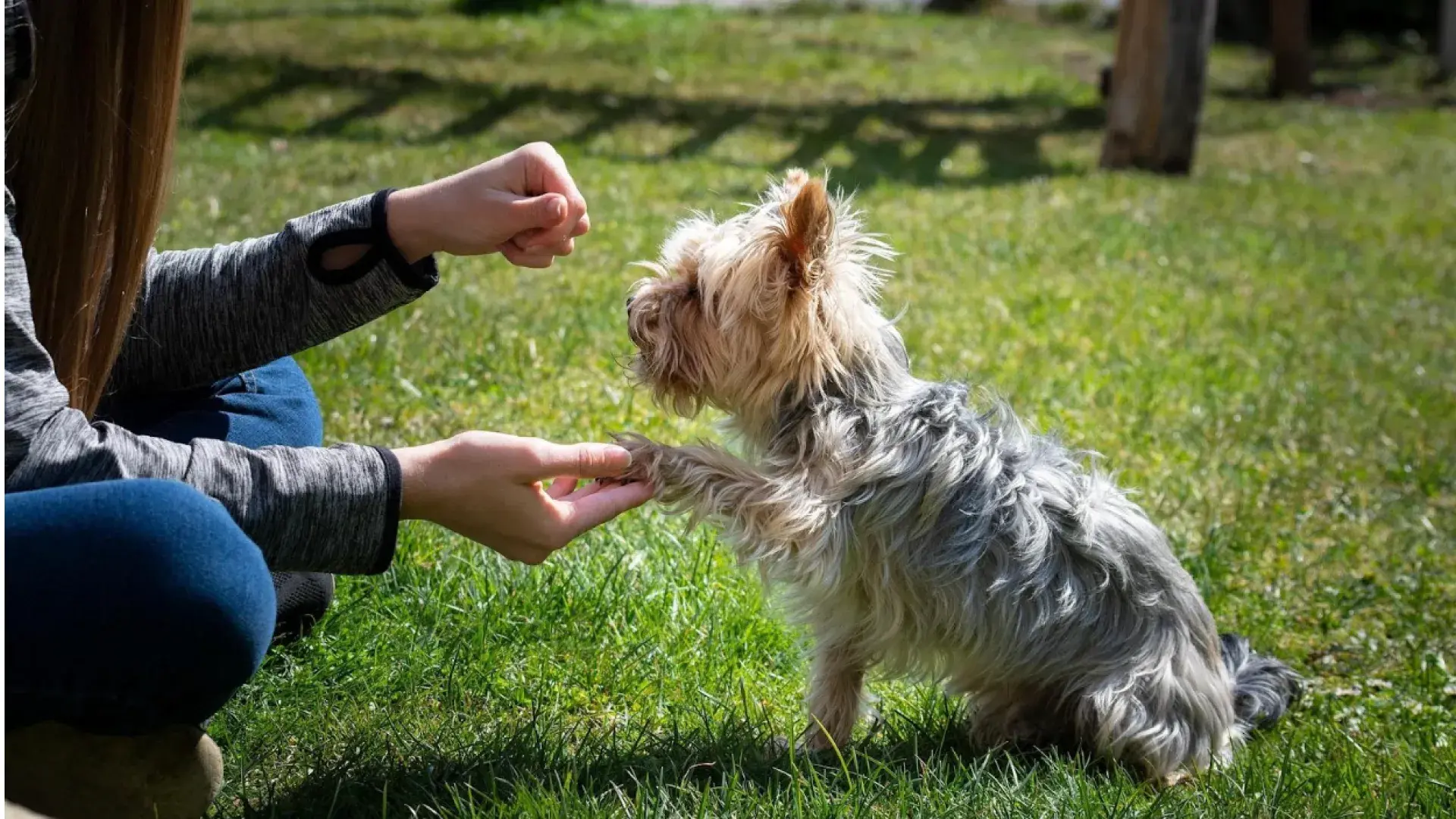
Dog Commands Training for Reliable Everyday Behavior
Dog commands training is more than teaching a dog to sit, stay, or come when called. The real goal is to build clear communication that helps dogs understand what is expected of them in different environments. When commands are taught consistently and practiced around real-world distractions, they can become practical skills that support safer walks, calmer interactions, and better everyday behavior.
A well-trained dog does not need to respond perfectly in every situation from the beginning. Training is a gradual process that combines repetition, timing, consistency, motivation, and appropriate challenges. With the right approach, owners can help dogs develop reliable responses without turning every interaction into a formal training session.
For owners seeking professional guidance, Rob’s Dog Training can provide support for building practical obedience skills and more reliable everyday behavior.
Why Dog Commands Training Matters
Commands give dogs useful information about what to do next. A cue such as “sit” can help manage greetings, while “stay” can create distance from a potentially unsafe situation. A dependable recall can also help prevent a dog from running toward traffic, wildlife, or unfamiliar environments.
However, simply knowing a command at home does not mean a dog will automatically respond to it elsewhere. Dogs learn within specific contexts, which is why skills need to be gradually practiced in different locations and around increasing levels of distraction.
Effective dog command training should focus on building responses that remain useful beyond the living room.
Start With Essential Dog Obedience Commands
A strong foundation begins with a small group of practical commands. Owners do not need to teach dozens of cues at once. Establishing a few reliable behaviors first can make later training easier.
Some important foundational commands include:
- Sit: Helps encourage calm behavior during greetings, feeding, and routine interactions.
- Stay: Teaches a dog to remain in position until released.
- Come: Builds recall and can be especially important for safety.
- Down: Encourages calm positioning and can help manage excitement.
- Leave it: Teaches a dog not to engage with an object, food, or distraction.
- Wait: Helps a dog pause before moving through doors, eating, or entering new spaces.
- Heel or loose-leash walking: Encourages controlled movement without constant pulling.
Each command should have a clear purpose. When owners understand why they are teaching a particular behavior, training becomes more practical and easier to apply consistently.
How to Make Dog Commands Training More Effective
Teaching commands is not simply about repeating a word until the dog responds. The way a cue is introduced and reinforced can significantly affect how quickly the dog understands the behavior.
1. Use Clear, Consistent Cues
Choose one verbal cue for each behavior and use it consistently. Changing between phrases such as “come here,” “come,” and “get over here” can make communication less predictable, especially while a dog is still learning.
Everyone who interacts regularly with the dog should use the same commands and expectations. Consistency helps reduce confusion and makes training easier to maintain.
2. Reward the Behavior You Want
Dogs are more likely to repeat behaviors that produce desirable outcomes. Rewards can include treats, praise, play, toys, or access to something the dog enjoys.
The timing matters. Rewarding immediately after the desired response helps the dog connect the behavior with the consequence. Over time, reinforcement can become more varied while the dog continues to understand what is expected.
3. Keep Training Sessions Short
Long sessions can become mentally tiring, particularly for puppies or dogs that are easily distracted. Several short sessions throughout the day may be more productive than one lengthy practice period.
A few minutes of focused training during a walk, before meals, or while moving around the home can create valuable repetition without overwhelming the dog.
4. Increase Distractions Gradually
One of the biggest mistakes owners make is expecting a dog to perform a newly learned command in a highly distracting environment.
Instead, build difficulty progressively:
- Begin in a quiet, familiar area.
- Practice until the response becomes consistent.
- Introduce mild distractions.
- Increase distance from the handler.
- Practice in new environments.
- Gradually introduce more challenging distractions.
This approach helps dogs learn that a command still matters even when something interesting is happening nearby.
Dog Commands Training Should Include Real-Life Practice
Training should not exist only during designated sessions. Everyday situations provide opportunities to reinforce useful behaviors.
Ask for a sit before opening the door. Practice “wait” before crossing a street. Use loose-leash walking skills during regular walks. Ask for a calm response before allowing a dog to greet a visitor.
These small moments help connect obedience training with daily life.
Real-world practice also reveals where a dog needs additional support. A dog may respond immediately inside the home but struggle when another dog passes during a walk. That does not necessarily mean training has failed. It may simply mean the environment is currently too challenging.
Recognizing these differences allows owners to adjust the difficulty rather than repeatedly giving commands the dog is not ready to follow.
Avoid Repeating Commands
Repeatedly saying a command can unintentionally teach a dog that the first cue does not matter.
For example, if an owner says “come” several times before the dog finally responds, the dog may learn that there is no urgency to react to the initial cue.
Instead, consider why the dog did not respond. Was there too much distance? Was the environment distracting? Had the behavior been reinforced enough? Was the dog confused about what was expected?
Training should make it easier for the dog to succeed. If a response is unreliable, return to an easier version of the exercise and build from there.
Build Reliable Recall With Care
Recall is one of the most valuable skills a dog can learn, but it should be developed gradually. Owners should avoid turning “come” into a cue associated only with unpleasant experiences, such as ending play, leaving the park, or receiving a correction.
Make coming back rewarding. Practice first in controlled environments and use appropriate management tools when necessary.
As reliability improves, gradually increase distance and distractions. Off-leash freedom should come only when a dog has demonstrated dependable recall in suitable conditions.
Consider the Dog Behind the Command
Training works better when owners pay attention to individual temperament, motivation, energy level, age, and learning history.
A highly energetic dog may need more physical and mental activity before being expected to concentrate. A nervous dog may require a quieter environment and slower progression. A young puppy may need shorter sessions and more frequent reinforcement.
Behavior is also influenced by the environment. If a dog consistently struggles around certain triggers, simply repeating obedience commands may not address the underlying challenge.
Good training considers both the behavior and the circumstances surrounding it.
Common Mistakes That Can Slow Progress
Even motivated owners can make training harder without realizing it. Watch for these common problems:
- Practicing commands only indoors
- Expecting immediate reliability
- Changing commands frequently
- Giving rewards too late
- Training for too long
- Increasing distractions too quickly
- Repeating cues several times
- Expecting every dog to learn at the same pace
- Using commands without reinforcing desired behavior
- Practicing only when the dog has already become overstimulated
Avoiding these mistakes can make training clearer and more manageable.
When Professional Dog Training Can Help
Some dogs need more individualized guidance than a general training routine can provide. Persistent leash pulling, unreliable recall, excessive jumping, difficulty settling, or challenging responses around people and other animals may require a more structured approach.
A professional dog trainer can help identify where communication is breaking down and develop exercises suited to the dog’s behavior and learning needs. Professional guidance can also help owners understand how to practice correctly between sessions.
The value is not simply teaching the dog another command. It is helping the owner develop better timing, consistency, communication, and problem-solving skills.
Make Dog Commands Training Part of Everyday Life
Successful dog commands training is not measured by how many commands a dog knows. It is measured by how effectively those skills function when they matter.
A dog that can sit in the kitchen but ignores the cue around distractions still needs more practice. A dog that can walk politely at home but pulls toward every exciting smell outside needs training that gradually bridges the gap between controlled practice and real-world situations.
Focus on clarity, consistency, appropriate reinforcement, and gradual progression. Keep expectations realistic, give the dog opportunities to succeed, and practice skills in situations that resemble everyday life.
When training becomes part of normal routines rather than an occasional activity, dogs have more opportunities to learn what their owners expect. The result can be stronger communication, more dependable behavior, and a more rewarding relationship between dogs and the people who care for them.
For owners who want professional guidance with obedience and behavior training, visit Rob’s Dog Training to learn more about available dog training services.